




How to Choose an Industrial Brush Machinery Supplier to Maximize Profit Returns
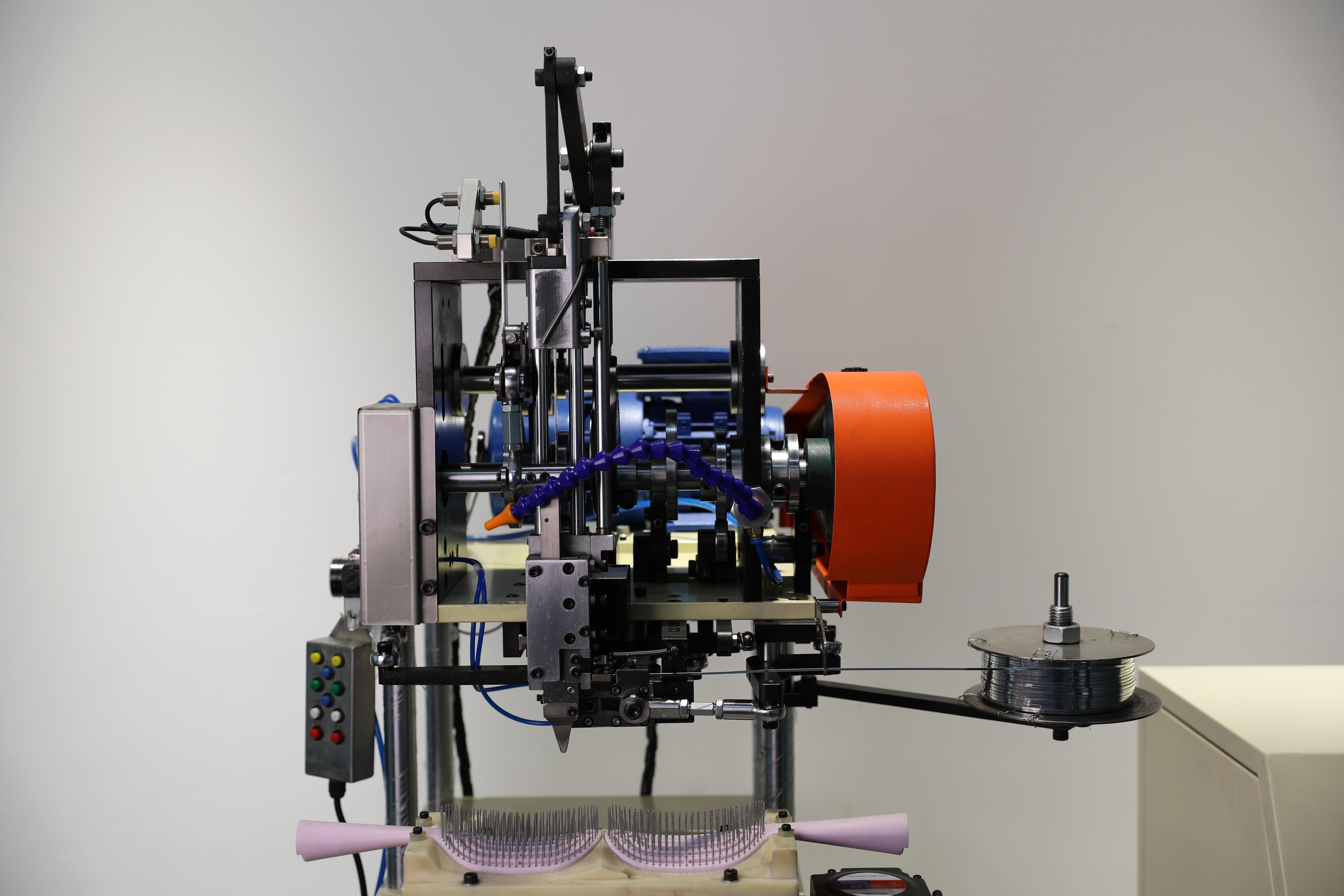
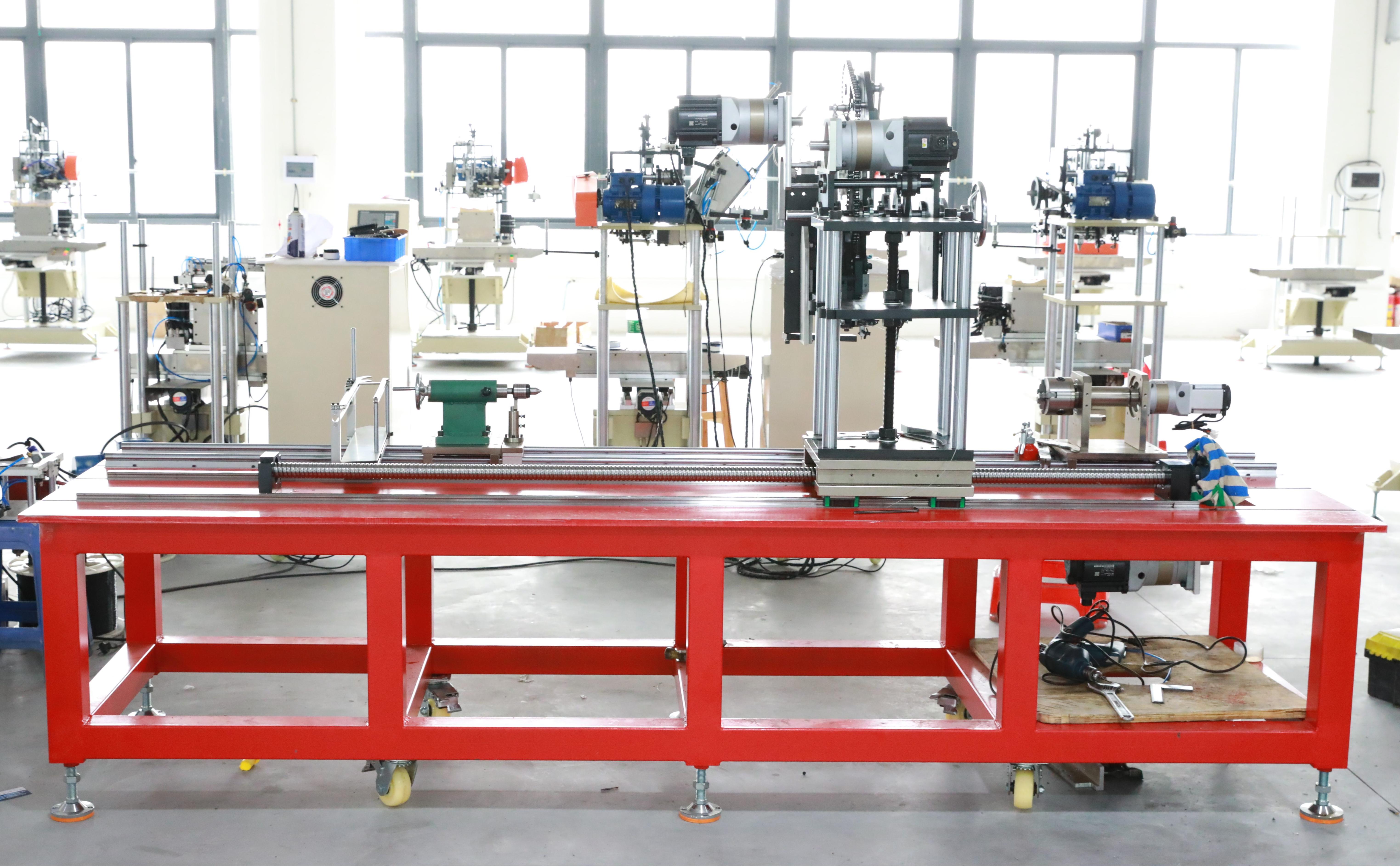
Industrial brush-making machinery is primarily utilized for the production of industrial dust-removal brushes, polishing brushes, steel plate cleaning brushes, sealing brushes, deburring brushes, and similar products. These products find application in heavy industrial sectors such as steel manufacturing, construction materials, electronics, food processing, and sanitation. Consequently, the machinery itself is subject to extremely rigorous requirements regarding durability, precision, structural integrity, and customization capabilities. Furthermore, a malfunction in such industrial equipment can bring an entire production line to a halt, resulting in financial losses that far exceed the cost difference between a premium machine and a cheaper alternative. When making purchasing decisions, international buyers must abandon a "lowest price first" mentality and instead focus on the equipment's core performance capabilities, long-term durability, and the availability of cross-border operational and maintenance services.
1. Industrial-Grade Performance and Precision
Industrial brushes are required to withstand high-intensity, high-abrasion, and highly corrosive operating environments; thus, the performance of the manufacturing machinery directly determines the service life of the finished product. Key factors to verify during the procurement process include: ensuring the equipment's tufting pull-out strength meets industry standards, guaranteeing that industrial brush filaments (whether steel wire, nylon, or abrasive filaments) are implanted securely with a shedding rate of ≤0.1%; verifying support for high-density tufting and the customization of irregularly shaped brushes to accommodate specialized industrial designs—such as roller brushes, flat brushes, and contoured brushes; confirming high processing precision—specifically, a concentricity error of ≤0.05mm for brush rollers—to prevent vibration or eccentricity during operation; and ensuring the equipment possesses a robust load-bearing capacity capable of producing large-scale, heavy-duty industrial brushes that meet the demanding requirements of heavy industrial production lines.
2. Machinery Materials and Durability
Industrial machinery is often required to operate continuously within harsh environments over extended periods. Low-cost equipment, which typically utilizes substandard materials, is highly susceptible to deformation, corrosion, and structural failure. Priority should therefore be given to equipment featuring: a machine frame constructed from thickened carbon steel or cast iron, offering superior resistance to compressive stress and deformation to support high-intensity production operations; core components (such as motors, reducers, and pneumatic cylinders) sourced from internationally renowned brands or utilizing specialized industrial-grade parts designed for export markets, ensuring stable operation and a service life of 8 to 10 years; and wear-prone components fabricated from abrasion-resistant and corrosion-resistant materials capable of withstanding high temperatures, high humidity, dust-laden atmospheres, and corrosive conditions—thereby significantly reducing the frequency of maintenance and repairs.
3. Customization Capabilities
Given that there are no universal standards for industrial brushes—most of which are non-standard, custom-made items—suppliers must possess robust customization capabilities. This entails supporting production based on customer-provided drawings or samples, and manufacturing specialized brushes tailored to diverse industries (such as steel cleaning, electronics dust removal, food processing machinery, and sanitation sweeping). Furthermore, suppliers should be able to tailor equipment parameters—including dimensions, production capacity, voltage requirements, and operating conditions—to the specific workshop environment of overseas clients. They should also offer custom mold-making services to facilitate the rapid production of irregularly shaped or specialized brushes, thereby meeting the unique requirements of industrial customers.
4. International Compliance and Industrial Safety Standards
Industrial equipment must comply with overseas industrial safety standards. For the EU market, this typically requires CE and ISO 9001 certifications; for hazardous or explosive environments, additional ATEX explosion-proof certification is mandatory. The equipment itself must feature built-in safety mechanisms—such as overload protection, short-circuit protection, and emergency stop functions—to ensure full compliance with safety production regulations in overseas industrial workshops. Suppliers should provide comprehensive, industrial-grade quality inspection reports, equipment manuals, and maintenance guides—all translated into English—to facilitate ease of operation and maintenance for overseas personnel.
5. Full-Lifecycle Cross-Border Operation and Maintenance Services
Given the structural complexity of industrial machinery and the inherent difficulties associated with cross-border repairs, a supplier's service capabilities directly impact the equipment's operational lifespan. Key areas to verify include: the provision of professional, industrial-grade installation and commissioning services; one-on-one training by overseas technical personnel to ensure operators are proficient in both operation and routine maintenance; a comprehensive machine warranty (typically 2–3 years); and the establishment of a remote fault diagnosis system to facilitate the rapid resolution of technical issues. Suppliers should maintain a long-term inventory of consumable spare parts to support rapid international shipment, thereby preventing production line downtime caused by part shortages. Additionally, they should conduct periodic follow-up visits to assist with equipment maintenance and upgrades, ensuring the machinery remains adaptable to the client's future capacity expansion needs. Finally, suppliers should assist with export inspections, customs clearance, and freight forwarding for industrial equipment, providing professional logistics solutions to ensure the safe and secure delivery of the machinery to the destination port.